Recommended Global Ophthalmology Webinars & Conferences
Asia Pacific & Middle East
Ophthalmology congress 2026
- About the Conference
- Target Audience
- Sessions and Tracks
- Market Analysis Report
- Past Conference Report
About the Conference
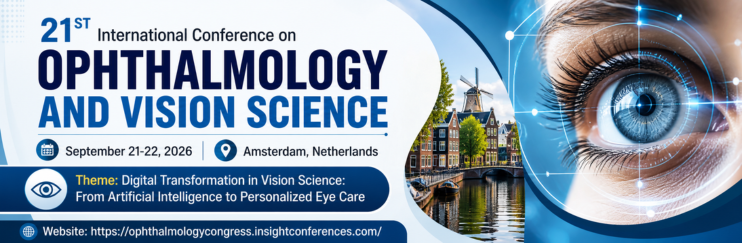
The 21st International Conference on Ophthalmology and Vision Science will take place on September 21-22, 2026, in the vibrant city of Amsterdam, Netherlands. This premier international event brings together leading researchers, clinicians, healthcare professionals, and industry experts from across the globe to share the latest advancements, innovations, and research in eye care and vision science.
The conference theme,“Digital Transformation in Vision Science: From Artificial Intelligence to Personalized Eye Care,”emphasizes the growing role of technology in ophthalmology. Sessions will cover topics such as artificial intelligence in diagnostics, tele-ophthalmology, personalized treatment approaches, retina disorders, glaucoma, cataract surgery, corneal innovations, pediatric ophthalmology, gene therapy, stem cell research, and ocular imaging techniques.
The program includes keynote lectures, plenary sessions, symposia, workshops, interactive panel discussions, and poster competitions, offering participants ample opportunities for networking, collaboration, and knowledge exchange. Attendees will gain practical insights into integrating emerging technologies and innovative clinical practices into patient care, improving outcomes, and advancing research in ophthalmology.
Join us in Amsterdam to explore the latest trends in vision science, connect with international experts, and contribute to shaping the future of eye care.
Why Attend Ophthalmology congress 2026
- Gain knowledge from global experts on AI, tele-ophthalmology, retina, glaucoma, cataract, cornea, and pediatric ophthalmology.
- Network with researchers, clinicians, industry leaders, and innovators from around the world.
- Enhance professional skills through workshops, symposia, and interactive sessions.
- Showcase research via oral presentations, poster competitions, and symposia.
- Discover the latest technologies, medical devices, and solutions transforming ophthalmology and vision care.
- Collaborate and build international professional relationships.
- Receive practical insights to implement in clinical and research settings.
- Stay updated on emerging trends and innovative practices in vision science.
Target Audience
- Ophthalmologists and eye surgeons
- Optometrists and opticians
- Vision scientists and researchers
- Pediatric ophthalmologists
- Retina specialists and glaucoma specialists
- Cornea specialists and cataract surgeons
- Oculoplastic surgeons
- Academic professors and educators in ophthalmology
- Medical students, PhD scholars, and postdoctoral researchers
- Young researchers and early-career scientists
- Healthcare professionals in eye care
- Clinical researchers and trial coordinators
- Biotechnologists and pharmaceutical experts
- Medical device and ophthalmic technology professionals
- Hospital administrators and policy makers
- Tele-ophthalmology and AI solution providers
- Industry leaders and innovators in ophthalmology
- Healthcare consultants and advisors
- Ophthalmology association members and societies
Sessions and Tracks
Track 01. Advances in Cataract Diagnosis and Surgery
Cataract remains one of the leading causes of preventable blindness worldwide, making early diagnosis and innovative surgical interventions critical in ophthalmology. Modern approaches involve high-resolution imaging techniques, such as optical coherence tomography and advanced slit-lamp systems, enabling precise evaluation of lens opacity and associated ocular conditions. Phacoemulsification, femtosecond laser-assisted cataract surgery, and premium intraocular lens implantation have revolutionized visual outcomes while minimizing complications. Current challenges include managing complex cases with coexisting ocular pathologies, improving post-surgical recovery, and addressing accessibility in low-resource settings. Artificial intelligence is being increasingly utilized to predict surgical outcomes, optimize preoperative planning, and enhance intraoperative guidance. Moreover, nanotechnology and drug delivery systems are being explored to reduce inflammation and accelerate healing post-surgery. Regulatory oversight ensures that new surgical devices, intraocular lenses, and pharmacological adjuncts comply with international safety standards. Emerging trends focus on personalized cataract surgery planning, integration of digital visualization systems, and enhanced patient education to maximize satisfaction. By combining technological innovation, evidence-based surgical protocols, and stringent regulatory adherence, advancements in cataract management continue to improve global vision health outcomes.
Track 02. Glaucoma: Early Detection and Therapeutic Innovations
Glaucoma is a leading cause of irreversible vision loss, requiring timely diagnosis and management to prevent optic nerve damage. Advances in imaging, including optical coherence tomography, confocal scanning laser ophthalmoscopy, and visual field analysis, enable early detection of structural and functional changes. Traditional pharmacological treatments involve intraocular pressure-lowering agents, while minimally invasive glaucoma surgeries and laser therapies offer alternatives for refractory cases. Current challenges include patient adherence to lifelong treatment, managing advanced-stage glaucoma, and predicting disease progression. Artificial intelligence tools are now being applied to detect subtle optic nerve changes and stratify patient risk, supporting precision medicine approaches. Nanotechnology-based drug delivery systems aim to enhance ocular bioavailability and reduce systemic side effects. Regulatory authorities evaluate the safety and efficacy of novel therapeutic devices and medications, ensuring patient protection. Emerging trends emphasize personalized treatment plans, combination therapies, and tele-ophthalmology for remote monitoring. By integrating clinical expertise, innovative technologies, and robust regulatory frameworks, glaucoma management continues to evolve, offering improved preservation of vision and quality of life.
Track 03. Retinal Disorders and Innovative Therapies
Retinal disorders, including diabetic retinopathy, age-related macular degeneration, and retinal detachment, present significant challenges due to their complex pathophysiology and risk of irreversible vision loss. Early detection using fundus photography, optical coherence tomography, and fluorescein angiography is critical for timely intervention. Current treatment strategies include anti-vascular endothelial growth factor therapy, corticosteroid injections, laser photocoagulation, and advanced vitreoretinal surgeries. Challenges persist in managing chronic and progressive retinal diseases, improving treatment adherence, and preventing systemic complications. Artificial intelligence algorithms are increasingly applied to retinal imaging for automated diagnosis, disease progression prediction, and personalized treatment planning. Nanotechnology-based drug delivery systems and gene therapy approaches are emerging as promising tools for targeted intervention and retinal regeneration. Regulatory compliance ensures the safety and efficacy of novel therapies, including biologics and medical devices. Future trends focus on integrating imaging, AI, and advanced therapeutics to improve early detection, enhance visual outcomes, and reduce the global burden of retinal diseases. Research in retinal neuroprotection, stem cell therapies, and personalized medicine is poised to transform retinal care in the coming decade.
Track 04. Corneal Diseases and Advanced Therapeutic Approaches
Corneal diseases, including keratoconus, infectious keratitis, and corneal dystrophies, significantly impact vision and quality of life, requiring timely diagnosis and management. Modern diagnostic tools such as corneal topography, pachymetry, anterior segment optical coherence tomography, and in vivo confocal microscopy allow precise assessment of corneal morphology and pathology. Therapeutic interventions range from pharmacological management with antibiotics, antivirals, and anti-inflammatory agents to surgical approaches such as corneal transplantation, keratoprosthesis, and corneal cross-linking. Challenges include managing refractory infections, post-surgical complications, and access to advanced care in resource-limited settings. Innovations in regenerative medicine, including stem cell therapy and tissue engineering, are being explored to restore corneal transparency and function. Nanotechnology-based drug delivery enhances targeted therapy while minimizing systemic side effects. Artificial intelligence aids in early detection, grading disease severity, and predicting treatment outcomes. Regulatory oversight ensures safety, efficacy, and quality standards for novel corneal implants, drugs, and surgical devices. Emerging trends focus on personalized treatment strategies, minimally invasive surgical techniques, and integration of digital imaging and tele-ophthalmology for remote monitoring. By combining clinical expertise, cutting-edge technology, and robust regulatory frameworks, advances in corneal disease management continue to improve visual outcomes and patient quality of life globally.
Track 05. Pediatric Ophthalmology and Strabismus Management
Pediatric ophthalmology addresses congenital and developmental eye disorders, including strabismus, amblyopia, congenital cataracts, and retinal dystrophies, which can have lifelong consequences if untreated. Early detection using visual screening, pediatric optical coherence tomography, and behavioral vision assessments is essential for timely intervention. Management strategies include refractive correction, patching therapy, vision therapy, pharmacological interventions, and surgical correction for strabismus or congenital cataracts. Challenges involve early diagnosis in non-verbal children, ensuring treatment adherence, and addressing coexisting systemic or neurological conditions. Emerging technologies such as tele-ophthalmology, artificial intelligence-based visual acuity screening, and digital eye-tracking devices are enhancing early detection and treatment monitoring. Nanotechnology-driven drug delivery systems are being investigated for pediatric pharmacotherapy to improve bioavailability and reduce systemic side effects. Regulatory bodies ensure safety and efficacy of pediatric devices, pharmaceuticals, and surgical tools. Current trends emphasize personalized treatment plans, minimally invasive surgeries, genetic counseling for hereditary disorders, and parent-focused education programs. By integrating innovative diagnostics, therapeutic strategies, and rigorous regulatory compliance, pediatric ophthalmology continues to preserve vision, promote normal visual development, and enhance the quality of life for children worldwide.
Track 06. Neuro-Ophthalmology and Visual Pathway Disorders
Neuro-ophthalmology bridges the fields of neurology and ophthalmology, focusing on visual pathway disorders, optic neuropathies, ocular motility disorders, and visual manifestations of systemic neurological diseases. Advanced imaging modalities, including MRI, optical coherence tomography, and electrophysiological assessments, enable precise diagnosis and monitoring of optic nerve and brain-related visual impairments. Management strategies involve pharmacological treatments, surgical interventions, and rehabilitative therapies depending on the underlying neurological condition. Challenges include early recognition of subtle visual deficits, differentiating between ocular and neurological causes, and managing progressive or rare disorders. Artificial intelligence and machine learning algorithms are increasingly utilized to analyze imaging data, detect early optic nerve changes, and predict disease progression. Emerging research explores gene therapy, neuroprotection strategies, and regenerative approaches to restore visual function. Regulatory oversight ensures that novel therapies, devices, and diagnostic tools comply with international safety and efficacy standards. Future trends in neuro-ophthalmology emphasize precision medicine, integration of digital diagnostics, tele-neuro-ophthalmology for remote patient care, and interdisciplinary collaboration to optimize outcomes. By combining clinical expertise, technological innovations, and rigorous regulatory frameworks, neuro-ophthalmology continues to advance early diagnosis, targeted therapies, and rehabilitation strategies for patients with complex visual pathway disorders.
Track 07. Uveitis and Ocular Inflammatory Disorders
Uveitis, an intraocular inflammatory condition, can result from autoimmune, infectious, or idiopathic causes and remains a significant contributor to vision loss worldwide. Timely diagnosis using slit-lamp examination, optical coherence tomography, fundus fluorescein angiography, and laboratory investigations is crucial for preserving vision and preventing complications such as glaucoma, cataract, or retinal damage. Management strategies involve corticosteroids, immunosuppressive therapy, biologics, and targeted antimicrobial treatments depending on the underlying etiology. Challenges include differentiating between infectious and non-infectious causes, managing chronic or recurrent inflammation, and minimizing systemic side effects of long-term therapy. Emerging technologies such as artificial intelligence-assisted imaging, nanotechnology-based drug delivery systems, and point-of-care diagnostic tools are enhancing early detection, treatment precision, and patient monitoring. Regulatory oversight ensures that novel biologics, immunomodulators, and ocular devices meet global safety and efficacy standards. Current trends emphasize personalized treatment protocols, minimally invasive therapeutic interventions, and interdisciplinary collaboration between ophthalmologists, rheumatologists, and infectious disease specialists. Tele-ophthalmology platforms are increasingly used to monitor disease activity remotely, improving patient adherence and access to care in underserved regions. By integrating advanced diagnostics, targeted therapeutics, and robust regulatory compliance, the management of uveitis continues to evolve, aiming to reduce visual morbidity, improve patient quality of life, and advance research in ocular immunology globally.
Track 08. Ocular Oncology and Eye Tumor Management
Ocular oncology focuses on the diagnosis, treatment, and management of eye tumors, including retinoblastoma, uveal melanoma, conjunctival neoplasms, and orbital tumors. Early detection through advanced imaging modalities such as ultrasound biomicroscopy, optical coherence tomography, fundus photography, and magnetic resonance imaging is essential for optimizing visual outcomes and survival rates. Therapeutic strategies include enucleation, globe-sparing surgeries, radiotherapy, chemotherapy, and targeted molecular therapies. Challenges include balancing tumor eradication with vision preservation, managing rare tumor types, and addressing late presentations in pediatric and adult populations. Artificial intelligence and machine learning tools are increasingly applied for automated tumor detection, grading, and prognosis prediction. Nanotechnology-driven drug delivery and gene therapy approaches are emerging to enhance treatment efficacy while minimizing systemic toxicity. Regulatory authorities ensure that novel oncological drugs, surgical devices, and radiotherapy protocols adhere to international safety and efficacy standards. Current trends focus on precision oncology, minimally invasive interventions, personalized molecular therapies, and collaborative multidisciplinary care involving ophthalmologists, oncologists, and radiation specialists. By combining cutting-edge diagnostics, advanced therapeutics, and rigorous regulatory compliance, ocular oncology continues to improve survival, preserve vision, and enhance patient quality of life while advancing research in eye tumor biology globally.
Track 09. Optics, Refraction, and Myopia Management
Advances in optics and refraction are central to vision correction, including myopia, hyperopia, astigmatism, and presbyopia. Modern diagnostic tools such as corneal topography, wavefront aberrometry, and optical coherence tomography enable precise measurement of refractive errors and ocular aberrations. Management strategies range from spectacles and contact lenses to surgical interventions like laser-assisted in situ keratomileusis, photorefractive keratectomy, and implantable lenses. Challenges include the global rise of myopia, increasing demand for safe and effective interventions, and managing post-surgical complications. Artificial intelligence is being applied to predict myopia progression, optimize surgical outcomes, and customize lens design. Nanotechnology-based biomaterials are being explored for advanced contact lenses and intraocular implants to improve comfort, durability, and ocular compatibility. Regulatory authorities ensure that optical devices, surgical equipment, and pharmacological adjuncts meet international safety and efficacy standards. Emerging trends emphasize early myopia control in children, precision refractive surgery, integration of digital eye-tracking, and tele-optometry for remote vision assessment. By combining evidence-based clinical practice, technological innovation, and regulatory compliance, advances in optics and refraction continue to improve vision correction, prevent progressive visual impairment, and enhance patient quality of life worldwide.
Track 10. Vision Rehabilitation and Low Vision Care
Vision rehabilitation focuses on improving the quality of life for individuals with partial or permanent vision loss due to ocular diseases, injuries, or congenital conditions. Low vision care involves comprehensive assessment of visual function using advanced tools such as contrast sensitivity tests, microperimetry, and functional visual field analysis to design personalized rehabilitation strategies. Interventions include visual aids, magnification devices, orientation and mobility training, and assistive technologies integrated with smartphones and digital platforms. Challenges include accessibility of rehabilitation services, adherence to training programs, and addressing psychological impacts associated with vision loss. Emerging technologies, including wearable devices, virtual reality, and artificial intelligence-based adaptive systems, enhance functional vision, independence, and patient engagement. Nanotechnology and novel biomaterials are being explored for ocular implants and visual prosthetics to restore partial vision. Regulatory standards ensure the safety, efficacy, and quality of rehabilitative devices and therapeutic programs. Trends emphasize patient-centered care, tele-rehabilitation, integration of multidisciplinary teams, and personalized training protocols for specific visual impairments. By combining clinical expertise, technological innovation, and rigorous regulatory compliance, vision rehabilitation continues to empower patients with low vision, optimize functional outcomes, and enhance social and professional participation, thereby improving overall quality of life.
Track 11. Artificial Intelligence and Digital Ophthalmology
Artificial intelligence and digital technologies are transforming ophthalmology by enabling early diagnosis, risk stratification, and personalized treatment planning. AI algorithms applied to retinal imaging, optical coherence tomography, and fundus photography facilitate automated detection of conditions such as diabetic retinopathy, glaucoma, and age-related macular degeneration. Digital platforms support tele-ophthalmology, remote monitoring, and patient engagement, improving accessibility in underserved regions. Challenges include data privacy, standardization of AI algorithms, and validation across diverse populations. Integration of machine learning with big data and cloud computing allows predictive modeling of disease progression and personalized therapeutics. Nanotechnology-based imaging agents and digital diagnostic devices enhance sensitivity and specificity. Regulatory authorities are establishing frameworks to ensure safe and effective deployment of AI-powered diagnostics and treatment tools. Current trends focus on combining AI with clinical decision support, robotic-assisted surgery, and real-time telemedicine for enhanced patient care. By leveraging artificial intelligence, digital ophthalmology advances early detection, reduces healthcare disparities, and supports evidence-based clinical practice while adhering to global regulatory standards.
Track 12. Preventive Ophthalmology and Public Eye Health
Preventive ophthalmology emphasizes early detection, lifestyle interventions, and community-based screening to reduce the global burden of visual impairment and blindness. Initiatives include routine eye examinations, school vision screening, awareness programs for chronic diseases affecting vision, and strategies for ocular protection in occupational and environmental settings. Challenges include limited access to eye care in developing regions, increasing prevalence of lifestyle-related eye conditions, and public awareness gaps. Emerging technologies such as portable diagnostic devices, tele-ophthalmology, and AI-assisted screening facilitate early detection and timely intervention. Nanotechnology-based drug delivery systems support preventive therapeutics, while regulatory oversight ensures safety and efficacy. Trends focus on integrating preventive strategies with digital health, mobile applications, and public health policies to improve population eye care. By combining evidence-based interventions, technological innovation, and global collaboration, preventive ophthalmology continues to enhance visual health, reduce preventable blindness, and strengthen public health outcomes worldwide.
Track 13. Corneal Transplantation and Regenerative Approaches
Corneal transplantation is a critical intervention for patients with corneal opacities, scarring, or dystrophies that result in significant vision loss. Techniques include penetrating keratoplasty, lamellar keratoplasty, and endothelial keratoplasty, each tailored to the specific layer affected. Advanced imaging, such as anterior segment optical coherence tomography, enables precise preoperative assessment and postoperative monitoring. Challenges include graft rejection, post-surgical infections, and long-term survival of the transplant. Emerging regenerative approaches, including stem cell therapy, tissue-engineered corneal substitutes, and bioengineered scaffolds, aim to restore corneal transparency and function without the need for donor tissue. Nanotechnology-based drug delivery is being explored to optimize postoperative healing and reduce complications. Artificial intelligence is assisting in predicting graft outcomes and personalizing patient care. Regulatory oversight ensures that corneal implants, surgical devices, and regenerative therapies meet strict safety and efficacy standards. Trends focus on minimally invasive procedures, patient-specific regenerative solutions, integration of telemedicine for follow-up care, and global collaboration to improve accessibility. By combining clinical expertise, advanced technology, and rigorous regulatory compliance, corneal transplantation and regenerative therapies continue to enhance visual outcomes and quality of life for patients worldwide.
Track 14. Retinal Gene Therapy and Personalized Medicine
Gene therapy represents a transformative approach in the management of inherited retinal disorders, including retinitis pigmentosa and Leber congenital amaurosis. Using viral vectors or novel delivery systems, targeted genetic correction aims to restore photoreceptor function and halt disease progression. Challenges include safe delivery, immune response management, and long-term efficacy. Personalized medicine strategies, guided by genomic profiling, allow tailored interventions for individual patients. Advanced imaging modalities and electrophysiological tests are crucial for monitoring therapeutic response. Artificial intelligence supports patient selection, treatment optimization, and outcome prediction. Regulatory frameworks ensure stringent evaluation of gene therapy products for safety, quality, and efficacy. Nanotechnology is being investigated to enhance vector delivery and precision targeting within retinal tissues. Emerging trends emphasize combining gene therapy with stem cell transplantation, optogenetics, and pharmacological adjuncts to maximize visual restoration. By integrating genetic science, clinical expertise, and global regulatory standards, retinal gene therapy is redefining personalized care, offering hope for patients with previously untreatable hereditary retinal diseases, and driving innovation in vision science.
Track 15. Diabetic Retinopathy: Prevention and Advanced Management
Diabetic retinopathy is a major microvascular complication of diabetes, leading to vision impairment and blindness if not managed proactively. Screening through retinal photography, optical coherence tomography, and fluorescein angiography enables early detection of microaneurysms, hemorrhages, and macular edema. Treatment strategies include anti-vascular endothelial growth factor therapy, corticosteroid injections, laser photocoagulation, and surgical interventions for advanced cases. Challenges include patient adherence to regular screening, glycemic control, and management of comorbidities. Artificial intelligence algorithms are increasingly applied to automate retinal image analysis, predict disease progression, and optimize individualized treatment plans. Nanotechnology-based drug delivery systems improve localized therapy while minimizing systemic side effects. Regulatory oversight ensures that novel pharmacological agents, biologics, and surgical devices comply with global safety standards. Emerging trends focus on integrating digital health, teleophthalmology, and personalized medicine approaches to enhance screening coverage and therapeutic outcomes. By combining preventive strategies, advanced therapeutics, and robust regulatory frameworks, diabetic retinopathy management continues to reduce vision loss, improve patient quality of life, and advance global eye care initiatives.
Track 16. Tele-Ophthalmology and Remote Eye Care
Tele-ophthalmology is transforming eye care delivery by enabling remote screening, diagnosis, and monitoring of ocular conditions, especially in underserved or rural areas. Using high-resolution retinal cameras, portable imaging devices, and secure digital platforms, clinicians can assess patients remotely, reducing the need for frequent in-person visits. Challenges include ensuring image quality, data security, patient compliance, and integration with existing healthcare systems. Artificial intelligence enhances tele-ophthalmology by enabling automated detection of diabetic retinopathy, glaucoma, and macular degeneration, facilitating timely referral and treatment. Telemedicine platforms also support patient education, medication adherence, and postoperative follow-up. Nanotechnology is being explored in diagnostic sensors and portable devices to improve accuracy and reliability. Regulatory authorities establish guidelines to ensure patient safety, privacy, and compliance with medical standards. Current trends focus on integrating tele-ophthalmology with electronic health records, AI-driven triage systems, and mobile health applications to increase accessibility and efficiency. By combining technological innovation, clinical expertise, and regulatory compliance, tele-ophthalmology enhances early diagnosis, improves patient outcomes, reduces healthcare disparities, and expands the reach of high-quality eye care globally.
Track 17. Lifestyle, Nutrition, and Ocular Health
Lifestyle factors, nutrition, and systemic health play a critical role in maintaining ocular health and preventing vision disorders. Proper dietary intake of antioxidants, vitamins, and essential fatty acids supports retinal function and may reduce the risk of age-related macular degeneration, cataracts, and diabetic retinopathy. Regular physical activity, smoking cessation, and glycemic control are equally important in preserving vision. Challenges include educating the public, promoting adherence to healthy habits, and addressing socioeconomic disparities in access to nutritious foods. Emerging research investigates the role of nutraceuticals, functional foods, and personalized nutrition in preventing ocular diseases. Artificial intelligence and wearable devices are being applied to monitor lifestyle factors and provide individualized guidance for eye health. Regulatory authorities ensure the safety and efficacy of nutraceutical products, supplements, and functional foods. Trends focus on integrating lifestyle counseling into clinical ophthalmology practice, community awareness programs, and digital health platforms for monitoring risk factors. By combining preventive strategies, evidence-based nutrition, and public health initiatives, lifestyle and nutrition-focused ophthalmology supports long-term visual health, reduces disease burden, and enhances patient quality of life worldwide.
Track 18. Artificial Intelligence in Vision Screening and Diagnostics
Artificial intelligence is rapidly transforming vision screening, diagnostics, and clinical decision-making in ophthalmology. Machine learning algorithms analyze imaging data from retinal scans, optical coherence tomography, and fundus photography to detect early signs of glaucoma, diabetic retinopathy, macular degeneration, and other ocular conditions. AI improves diagnostic accuracy, reduces interobserver variability, and enables predictive modeling for disease progression. Challenges include data privacy, algorithm validation across diverse populations, and integration into routine clinical workflows. Nanotechnology-enhanced imaging devices and sensors support AI-based diagnostics by providing high-resolution and precise measurements. Regulatory agencies evaluate AI tools for safety, efficacy, and clinical applicability to ensure patient protection. Emerging trends focus on real-time automated screening, remote diagnostics via telemedicine, and AI-assisted personalized treatment planning. By leveraging artificial intelligence, ophthalmologists can enhance early detection, optimize patient management, expand access to care, and reduce the global burden of preventable vision loss, while adhering to strict regulatory and ethical standards.
Track 19. Preventive Ophthalmology and Early Intervention
Preventive ophthalmology focuses on reducing the incidence of vision impairment and blindness through early detection, routine screenings, and timely intervention. Screening programs for diabetic retinopathy, glaucoma, and refractive errors enable prompt diagnosis and treatment, preventing disease progression. Challenges include limited access to eye care in remote regions, lack of awareness, and variability in adherence to preventive measures. Emerging technologies such as portable imaging devices, AI-assisted diagnostics, and tele-ophthalmology improve early detection and broaden healthcare access. Nanotechnology-based drug delivery systems support prophylactic therapeutics for high-risk populations. Regulatory frameworks ensure safety, efficacy, and quality of preventive interventions, devices, and medications. Current trends emphasize community awareness campaigns, integration of preventive strategies into primary healthcare, digital health monitoring, and personalized risk assessment. By combining evidence-based clinical practices, technological innovation, and robust regulatory compliance, preventive ophthalmology enhances visual outcomes, reduces preventable blindness, and promotes long-term ocular health globally.
Track 20. Public Eye Health and Global Vision Care
Public eye health addresses vision care at a population level, focusing on reducing preventable blindness and improving access to quality ophthalmic services. Initiatives include community screenings, vaccination programs, health education, and integration of eye care into primary healthcare systems. Challenges include socioeconomic disparities, limited trained personnel, and infrastructural gaps in low-resource settings. Emerging digital health solutions, tele-ophthalmology, and AI-assisted screening tools are expanding access and efficiency. Nanotechnology supports affordable diagnostic devices and therapeutic interventions for large-scale use. Regulatory authorities ensure that public health programs, devices, and pharmaceuticals adhere to international safety and efficacy standards. Trends focus on data-driven public health strategies, early intervention programs, mobile eye care clinics, and global partnerships to tackle preventable visual impairment. By combining community engagement, evidence-based interventions, innovative technologies, and regulatory oversight, public eye health initiatives improve vision outcomes, reduce disease burden, and promote equitable eye care across populations worldwide.
Track 21. Future Trends in Ophthalmology and Vision Science
The future of ophthalmology is shaped by technological innovation, personalized medicine, and integrative approaches to visual health. Emerging trends include artificial intelligence-driven diagnostics, gene and cell therapies, advanced surgical robotics, nanotechnology-based therapeutics, and digital health integration. Challenges involve regulatory approval, ethical considerations, equitable access, and continuous training for healthcare professionals. Precision ophthalmology, integrating genomic data, biomarker profiling, and AI analytics, allows tailored prevention and treatment strategies for conditions such as inherited retinal disorders, glaucoma, and age-related macular degeneration. Tele-ophthalmology and mobile health platforms enhance accessibility and patient engagement, particularly in underserved regions. Preventive and public eye health initiatives are increasingly data-driven, emphasizing early detection and risk stratification. Regulatory frameworks continue to evolve to ensure safety, efficacy, and ethical deployment of emerging therapies and devices. By combining innovative research, clinical expertise, and rigorous regulatory compliance, the future of ophthalmology aims to transform vision care, reduce global visual impairment, and improve patient quality of life while driving scientific advancement in vision science.
Market Analysis Report
The global ophthalmology market is projected to grow significantly in the coming decade. Estimates suggest the market will expand from around USD 81.7 billion in 2025 to USD 144 billion by 2034, reflecting a compound annual growth rate (CAGR) of approximately 6.4%. The ophthalmic devices segment is also experiencing strong growth, with forecasts predicting it will reach USD 29.8 billion by 2030, at a CAGR of 7.7%. Factors such as an aging population, rising prevalence of eye diseases, and increasing healthcare expenditure are driving this growth globally.
Key market drivers include the adoption of advanced technologies, such as artificial intelligence for diagnostics, optical coherence tomography, femtosecond lasers, and tele-ophthalmology solutions. Additionally, the ophthalmic equipment market is expected to grow from USD 54.9 billion in 2025 to USD 71.5 billion by 2030 at a CAGR of 5.4%, while ophthalmic supplies, including lenses and surgical consumables, are projected to reach USD 22.6 billion by 2030 at a CAGR of 4.75%. These trends reflect a shift toward personalized, technology-driven eye care and increased demand for minimally invasive and precision treatments.
Looking ahead, the ophthalmology and vision science industry is set for robust expansion, with strong opportunities in both developed and emerging markets. Companies investing in AI-based diagnostics, tele-ophthalmology platforms, and innovative surgical technologies are likely to capture the highest growth. The increasing integration of digital solutions in eye care, combined with growing awareness and accessibility in emerging regions, positions the market for sustained long-term growth. Strategic innovation, scalable distribution, and meeting unmet patient needs will be key to success in the next decade.
Associations and Societies:
- Australian Society of Ophthalmologists
- Academy of Asia-Pacific Professors of Ophthalmology
- African Ophthalmology Council (AOC)
- African Society of Glaucoma
- American Academy of Ophthalmology
- American Association for Paediatric Ophthalmology and Strabismus
- American Glaucoma Society
- American Society of Cataract and Refractive Surgery
- Asia Pacific Academy of Ophthalmology (APAO)
- Asia Pacific Association of Cataract and Refractive Surgeons (APACRS)
- Asian Neuro-ophthalmology Society
- Association For Research in Vision & Ophthalmology (ARVO)
- Brazilian Society of Ophthalmology
- Canadian Ophthalmological Society
- European Society of Cataract and Refractive Surgeons
Ophthalmology Companies:
- Abbott Laboratories
- Accuitis Pharmaceuticals
- Ace Vision Group
- Acucela
- Aerie Pharmaceuticals
- Akorn, Inc.
- Alcon Laboratories, Inc.
- Alimera Sciences
- Allergan, Inc.
- Amgen
- AstraZeneca
- Bausch + Lomb
- Baxter International
- Bayer
- Clearside Biomedical
Participant Benefits:
- Receive a conference kit with essential resources.
- Attend keynote lectures, workshops, and symposia.
- Network with international experts and peers.
- Earn 15 CME/CPD points for professional development.
- Opportunity to present research and participate in competitions.
- Explore latest technologies and innovations in ophthalmology.
- Gain insights into global trends and future directions.
- Enjoy refreshments and breakfast during the conference.
- Receive a certificate of participation at the end of the event.
- Abstracts will be published with a DOI number for academic recognition.
Registration Options:
Academic Registration:
- University professors, lecturers, and researchers in ophthalmology and vision science
- Postdoctoral fellows and research scientists
- Graduate and PhD students presenting ophthalmology research
- Healthcare professionals focusing on clinical eye care and research
Business Registration:
- Pharmaceutical industry representatives and executives in ophthalmology
- Biotechnology and medical device company professionals for eye care solutions
- Research and development managers in ophthalmic companies
- Corporate delegates exploring collaborations, partnerships, or product promotion
Student Registration:
- For undergraduate, graduate, and doctoral students in ophthalmology and vision science
- Access to selected sessions, workshops, and poster presentations
- Learn from experts and enhance knowledge in eye care and vision science
Virtual Registration:
- Attend online from anywhere in the world
- Live streaming of sessions, interactive Q&A, and access to recorded presentations
- Earn CME/CPD credits without attending in person
Accreditation Information
The 21st International Conference on Ophthalmology and Vision Science, scheduled for September 21-22, 2026, in Amsterdam, Netherlands, will be officially accredited for Continuing Medical Education (CME) and Continuing Professional Development (CPD) points. The scientific program, including keynote lectures, oral presentations, panel discussions, and workshops, will undergo review and approval by internationally recognized accreditation authorities to ensure compliance with global educational and clinical standards.
Participants attending the full two-day conference will be eligible to earn 15 CME/CPD credits, depending on the total number of sessions attended and participation in accredited learning activities. Each registered delegate will receive an official certificate of participation specifying the number of accredited hours earned during the event.
This accreditation highlights the conference’s commitment to promoting high-quality, evidence-based medical education in ophthalmology and vision science. By participating, healthcare professionals, researchers, and clinicians will enhance their clinical knowledge, expand professional competencies, and stay informed about the latest innovations in eye care, surgical techniques, diagnostic technologies, and personalized ophthalmic treatment, contributing to global excellence in vision science.
Abstract Submission
Submit your research, case study, or clinical findings for the 21st International Conference on Ophthalmology and Vision Science. Share your work with global experts and gain recognition in the field of ophthalmology and vision science. All abstracts will undergo a peer-review process for presentation approval.
Submit Your Abstract Here: https://ophthalmologycongress.insightconferences.com/abstract-submission.php
Registration & Book Your Slot: https://ophthalmologycongress.insightconferences.com/registration.php
Note: The review process for submitted abstracts will take 2–3 working days.
All accepted abstracts will be published in the conference proceedings in the conference’s supporting journal, providing international visibility and recognition for your research in ophthalmology and vision science.
For Inquiries
If you have any questions regarding the 21st International Conference on Ophthalmology and Vision Science, abstract submissions, registration, or participation, please reach out to us:
Email: contact@speakermeeting.com
Our team will respond promptly to assist you with all your conference-related queries.
Past Conference Report
Ophthalmology congress 2025
Dear Colleagues, Scholars, and Friends,
It is with great pleasure and enthusiasm that we welcome you to the 20th International Conference on Ophthalmology and Vision Science, taking place on September 16-17, 2025, in the beautiful city of Amsterdam, Netherlands.
Under the theme “Innovations in Ophthalmology: Advancing Precision Care and the Future of Vision Health,” this conference aims to unite leading professionals, researchers, clinicians, and innovators from around the globe to share knowledge, explore recent advancements, and discuss the future of eye care and visual science.
This milestone 20th edition will offer a rich scientific program featuring keynote speeches, interactive sessions, clinical workshops, poster presentations, and industry exhibitions, all focused on enhancing the understanding, treatment, and prevention of vision disorders. The event also serves as an excellent platform for young researchers and students to gain visibility, network with experts, and advance their academic and professional journey.
Amsterdam—known for its blend of history, innovation, and global connectivity—provides the perfect setting for meaningful discussions, lasting collaborations, and memorable experiences. Whether you are attending as a speaker, delegate, sponsor, or exhibitor, we look forward to your active participation and to making this conference a significant contribution to the field of ophthalmology.
On behalf of the organizing committee, we extend our warmest invitation and look forward to welcoming you to Amsterdam in September 2025.
With best regards,
Organizing Committee
20th International Conference on Ophthalmology and Vision Science
Past Reports Gallery
To Collaborate Scientific Professionals around the World
Conference Date September 21-22, 2026
For Sponsors & Exhibitors
Speaker Opportunity
Useful Links
Supported By
All accepted abstracts will be published in respective Conference Series International Journals.
Abstracts will be provided with Digital Object Identifier by